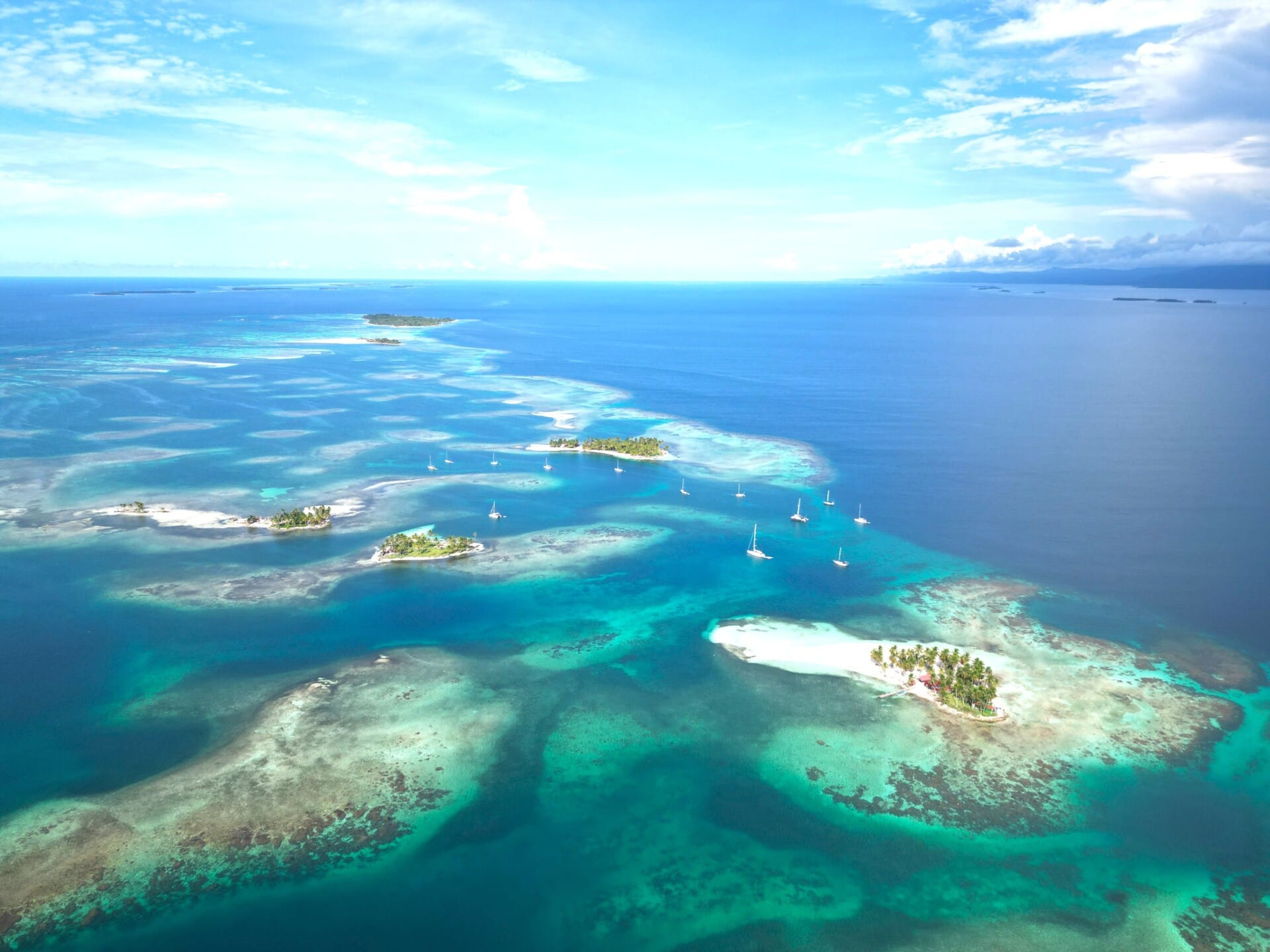
Panama. For most of us, it means “that famous canal” and the legendary straw hat. But the canal is just the beginning of the story — and the “Panama hat” actually comes from Ecuador. This is Panama known yet unknown: a country where you can watch sloths in a city park in the morning, see giant ships rise through canal locks in the afternoon, and sip a drink on a seaside promenade overlooking the Pacific in the evening. And tomorrow? You might wake up on a deserted islet in a turquoise San Blas lagoon.
What’s Famous (and Rightly So): The Canal and Panama City
The Panama Canal is an engineering marvel that changed global trade. The best “show” is at the visitor centers, where you can watch giant ships rise and fall in the locks just meters away. Tech enthusiasts will also appreciate the modern canal expansion and the endless parade of container ships crossing between oceans.
Panama City is surprisingly two cities in one: futuristic skyscrapers along the coast and the charming Casco Viejo — the historic district with cobblestone streets, squares, and churches. Morning coffee in the shade of balconies, afternoon art galleries, and rooftop bars at sunset — the perfect panorama. Just minutes from downtown lies the Metropolitan Natural Park, home to sloths, coatis, and hundreds of bird species among mango and ceiba trees. Few cities in the world let you walk from a business district into a rainforest in ten minutes.
Unknown Panama: Things That Will Surprise You
Two Oceans in One Day. Surf the Pacific in the morning, snorkel in the Caribbean in the afternoon — the country is narrow, and the roads are fast. Pacific bays are calm, while the Caribbean offers warm, crystal-clear lagoons.
Outside the hurricane zone. Panama lies beyond the main Caribbean hurricane belt, making it a safe, year-round destination. Unlike the eastern Caribbean islands, you can sail here almost anytime — enjoying your voyage without fear of extreme weather.
World-Class Biodiversity. The Isthmus of Panama is a “bridge” between the Americas — a corridor for animals and plants. From cloud forests around Volcán Barú to mangroves and coral reefs: hummingbirds, quetzals, turtles, rays, and dolphins. Each region has its own rhythm and natural soundtrack.
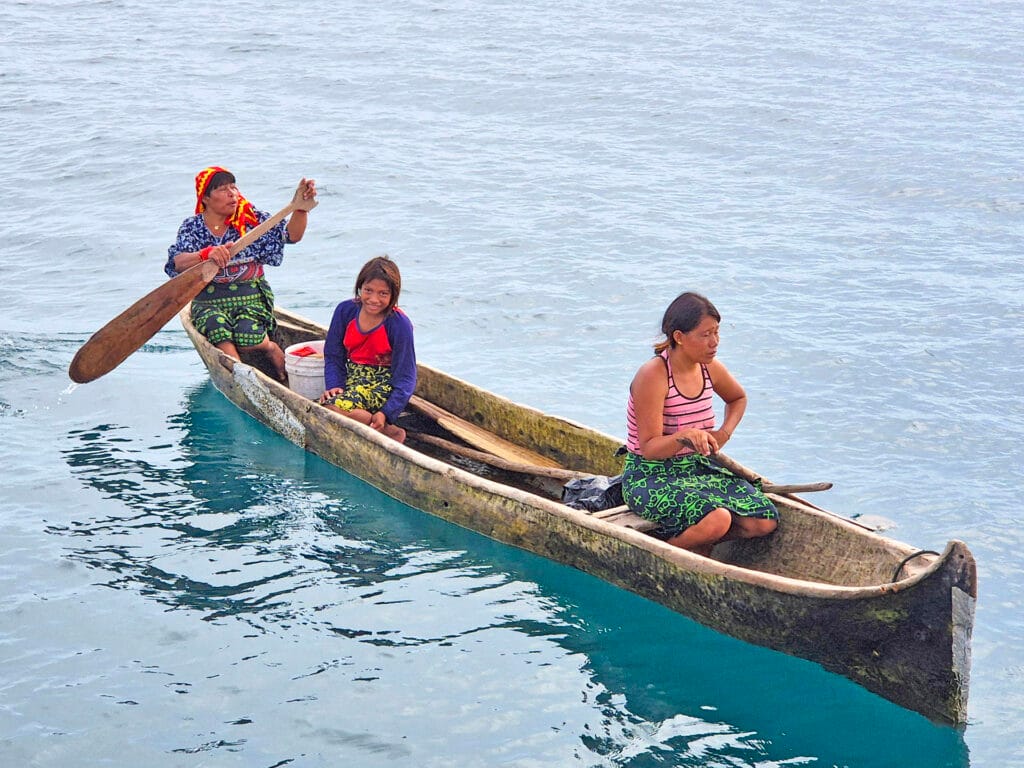
Indigenous Cultures. Panama’s tropics are home to communities with unique traditions: the Guna in the autonomous Guna Yala (San Blas), the Emberá along the Chagres River, and the Ngäbe-Buglé in the mountains. Warmth and hospitality are among the country’s greatest treasures — a smile and a few words of Spanish open the door to their world.
Where to Breathe Freedom: 6 Areas Worth Visiting
- San Blas (Guna Yala) – 360+ islands, crystal-clear water, coral, white sand, and palms. Perfect for a true “digital detox” and private time on your own yacht. The best way to explore? A week-long private cruise with Sailing Freedom.
- Bocas del Toro – reggae vibes, wooden houses over water, surf, and snorkeling. A slow rhythm, colorful homes, and starfish beaches. Perfect to combine with a short inland stay.
- Boquete and Tierras Altas (Chiriquí) – coffee plantations, hanging bridges in the treetops, and hikes to Panama’s highest peak. Cool mornings, warm afternoons, and the aroma of roasted coffee by night.
- Pacific Islands (Pearl Archipelago, Coiba, Islas Secas) – from the romantic beaches of the Pearl Islands to breathtaking marine reserves with manta rays and turtles. A base for divers and those seeking peaceful anchorages.
- Santa Catalina & Gulf of Chiriquí – a surf village with access to Coiba National Park, islands with empty beaches, and sun-drenched afternoons on the boat.
- Panama City & surroundings – Amador Causeway with panoramic views, museums (including the colorful Biomuseo by Frank Gehry), Ancon Hill, and markets with fresh ceviche.
A Short but Fascinating History
For centuries, Panama was the “neck of the world’s hourglass.” First a Spanish colony and a transfer point for Pacific treasures bound for Europe, later part of Gran Colombia. In modern times came the epochal canal project that shrank the world. After decades of foreign control, Panama now proudly operates and modernizes it independently. History is tangible everywhere — in Caribbean forts, the ruins of Old Panama, and the graceful arcades of Casco Viejo.
What to Taste: Cuisine Between Oceans
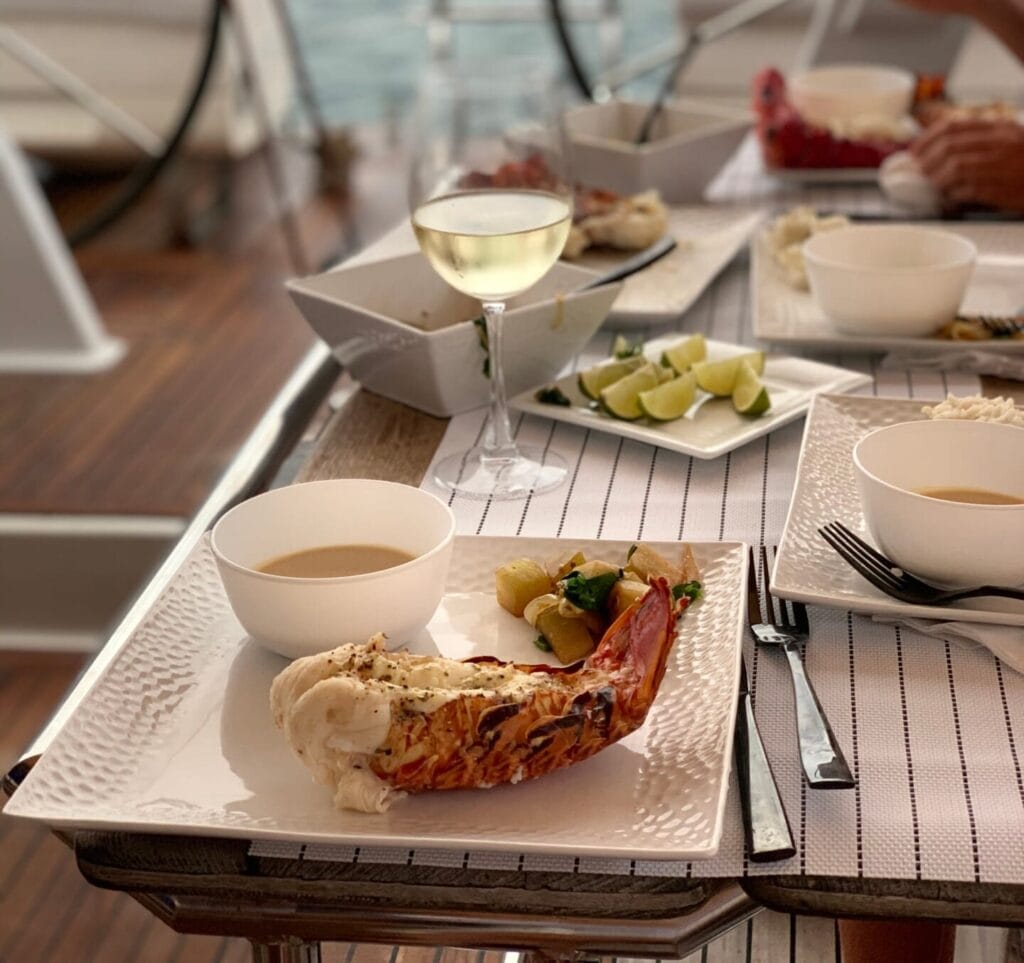
Ceviche made from fresh fish and seafood, sancocho — a hearty “grandma-style” soup with a tropical twist, patacones from plantains, and fresh tropical fruit everywhere. In the mountains, you’ll find world-class coffee — from classic arabicas to floral microlots. In ports, try the street stalls serving fish “straight from the boat.”
Tips You’ll Appreciate on the Spot
- Travel light: the climate is warm and humid; breathable clothes, a light rain jacket, and water shoes are all you need.
- Cash: carry small bills (1–10 USD) — useful in indigenous communities and small markets.
- Daily rhythm: early mornings and evenings are best for trips and photos; midday is for relaxing by the water.
- Respect: when visiting villages, ask before taking photos and support local crafts — you’ll get a beautiful souvenir with a story.
Why Panama Works Perfectly with Sailing
The country is compact, safe, and suitable all year round — and its true beauty often lies on the water. A private yacht gives you the freedom to stop where you like and wake up in places unreachable from land. Our 19-meter Hanse 630e is an “island of Western comfort” in paradise: generator, watermaker, high-speed internet, and a separate crew cabin with a private entrance — ensuring your experiences (and comfort) remain truly yours.
Whether you’re coming for a week of tranquility on the water or want to combine the urban energy of Panama City with the San Blas islands, we’ll take care of everything: airport pickup, comfortable minibus transfer, boarding, and a tailor-made itinerary — from snorkeling and cultural visits to dinners under the stars.
Want to discover the “known yet unknown” Panama in depth? Add a week-long private sailing trip to your itinerary — start here: San Blas Cruise & Booking.